
Structural Wall System

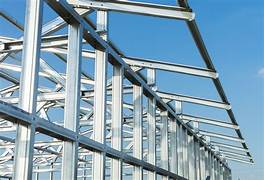
Welcome to our comprehensive guide on structural aluminum solutions for various industries and applications. Structural aluminum represents a cost-effective and versatile alternative to traditional building materials such as steel, concrete, and wood. It combines high strength, durability, and corrosion resistance with a lightweight nature that enables faster and easier installation and transportation.

Key Takeaways
- Structural aluminum is a durable and lightweight construction material
- It is widely used in various industries, including construction, automotive, aerospace, marine, and industrial applications
- Angle aluminum is a versatile component of structural aluminum systems, providing strength and stability to various structures
- Choosing the right structural aluminum solution involves considering factors such as load requirements, environmental conditions, and design goals
- Structural aluminum is a sustainable material with recycling opportunities and long lifespan

Understanding Structural Aluminum: Key Features and Advantages
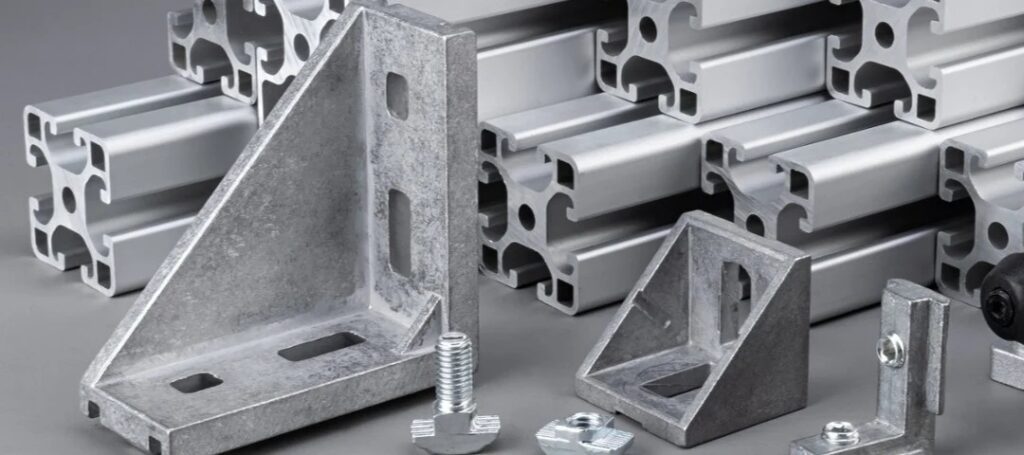
Structural aluminum is an ideal choice for a wide range of applications due to its impressive features and advantages. Here we will dive into the key characteristics and benefits of structural aluminum to help you understand why it is such a popular material in the construction, automotive, aerospace, marine, and industrial sectors.
Lorem ipsum dolor sit amet, consectetur adipiscing elit. Ut elit tellus, luctus nec ullamcorper mattis, pulvinar dapibus leo.
One of the most notable features of structural aluminum is its high strength-to-weight ratio. This means that it is incredibly strong, yet lightweight. When compared to other common construction materials, such as steel or concrete, aluminum is much lighter, making it easier to transport and install while providing excellent structural integrity.
Another benefit of structural aluminum is its resistance to corrosion. This is due to the natural formation of a protective oxide layer on the surface of the material. This oxide layer acts as a barrier between the aluminum and the surrounding environment, preventing corrosion and extending the lifespan of the material.
Structural aluminum is also very easy to fabricate, meaning it can be formed into complex shapes and sizes without sacrificing its strength. This makes it a popular choice for architects, designers, and engineers who require unique shapes and structures in their projects.
The combination of high strength, low weight, corrosion resistance, and ease of fabrication makes structural aluminum a cost-effective and versatile solution for various applications. In addition, it is also a highly sustainable material, as it can be recycled endlessly without losing its properties or performance.
“The versatility of aluminum makes it an ideal material choice for a wide range of applications. The fact that it is sustainable and can be recycled endlessly only adds to its appeal.”
As you can see, understanding the key features and advantages of structural aluminum is crucial in selecting the right material for your upcoming project. Whether you are building a new structure, designing a new vehicle, or fabricating equipment, structural aluminum can help you achieve your goals in a cost-effective and sustainable way.