Awning Windows
Awning windows are a popular choice for residential properties, offering a unique blend of functionality, style, and energy efficiency. These versatile windows, characterized by their outward-opening design, have been a staple in modern architecture for decades. This comprehensive guide will explore the various aspects of awning windows, their benefits, installation considerations, and how they compare to other window types
Key Performance Data
0.14 (IP)
0.79 (SI)
U-Value Best Thermal NFRC
720 Pa
15 psf
Water Penetration Resistance
0.24 L/s*m² (A3)
0.048 cfm/ft²
Air Tightness
* All data shown are for double paned windows and doors. For more information about performance data for specific configurations and add-ons, please speak to our design representative
What Are Awning Windows?
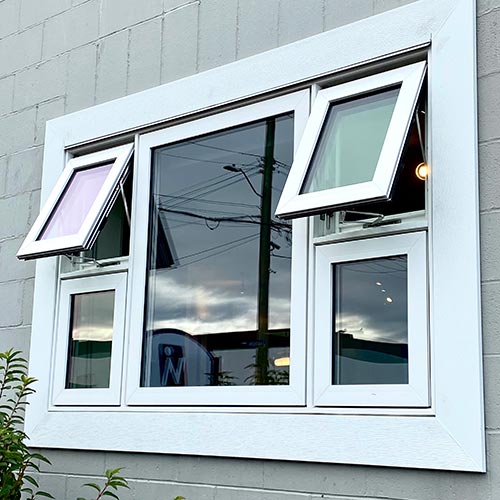
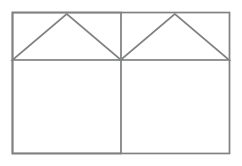
Awning residential windows are hinged at the top and open outward from the bottom, creating an awning-like effect. This distinctive design allows for ventilation even during light rain, as the open sash acts as a shield against water entering the home. Typically wider than they are tall, awning windows are often used in combination with other window styles or installed higher on walls to provide privacy while still allowing natural light and air circulation.
Key Features:
- Top-hinged design
- Outward opening mechanism
- Usually operated by a crank handle
- Available in various sizes and materials
Personalize Your Awning Windows
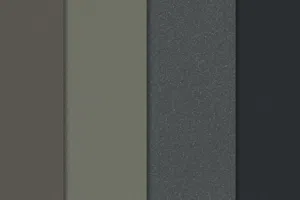
Finishes
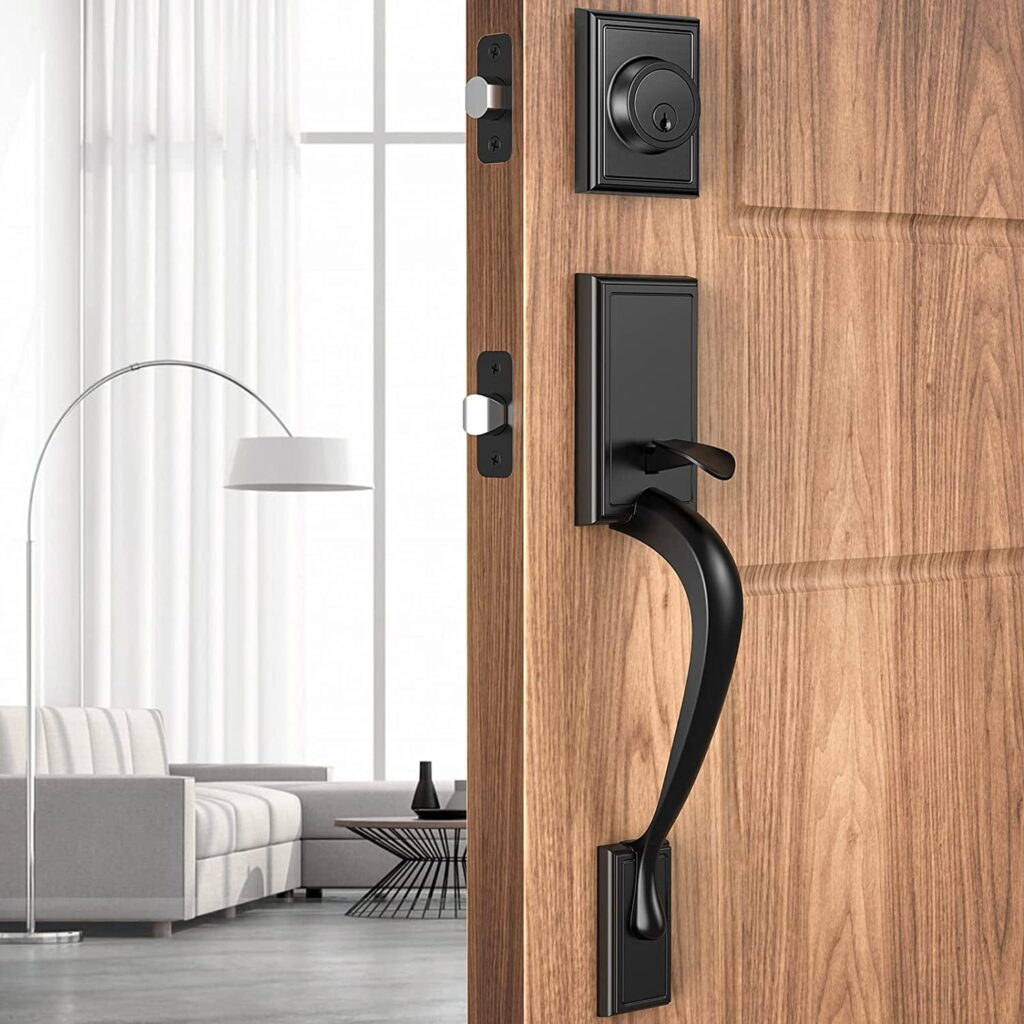
Handles
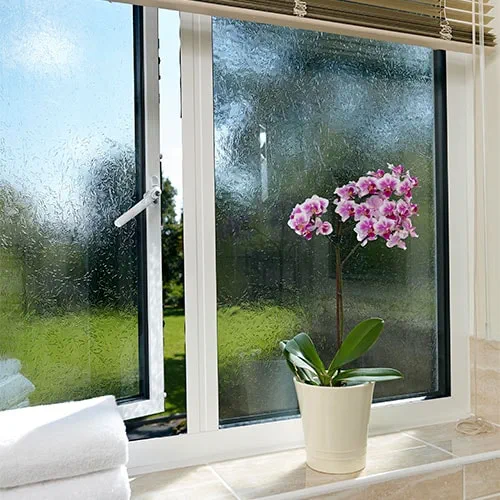
Obscure Glass
Custom Windows
Benefits of Awning Windows
One of the primary advantages of awning windows is their superior ventilation capabilities. When fully open, they can catch side breezes and direct airflow into the home. This makes them particularly effective in areas where natural air circulation is desired, such as kitchens, bathrooms, or basements.
The unique design of awning windows makes them highly resistant to rain. When open, the sash creates a canopy that deflects water, allowing you to keep your windows open even during light rainfall. This feature is especially beneficial in climates with frequent precipitation.
Awning windows are known for their excellent sealing properties. When closed, the sash presses firmly against the frame, creating a tight seal that minimizes air leakage. This characteristic makes them one of the more energy-efficient window options available, helping to reduce heating and cooling costs.
The design of awning windows contributes to improved home security. Their smaller size and top-hinged nature make them more difficult for intruders to access compared to larger, more easily manipulated window types.
Awning windows can be used in various architectural styles and can be combined with other window types to create unique and functional configurations. They are particularly effective when placed high on walls or above other windows to maximize natural light and ventilation.
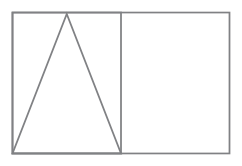
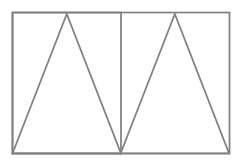
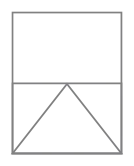
Configuration Options
Awning
Awning with fixed
Double Awning